

ABOUT US

Confederation of NGOs of Rural India

Incubating Civil Society

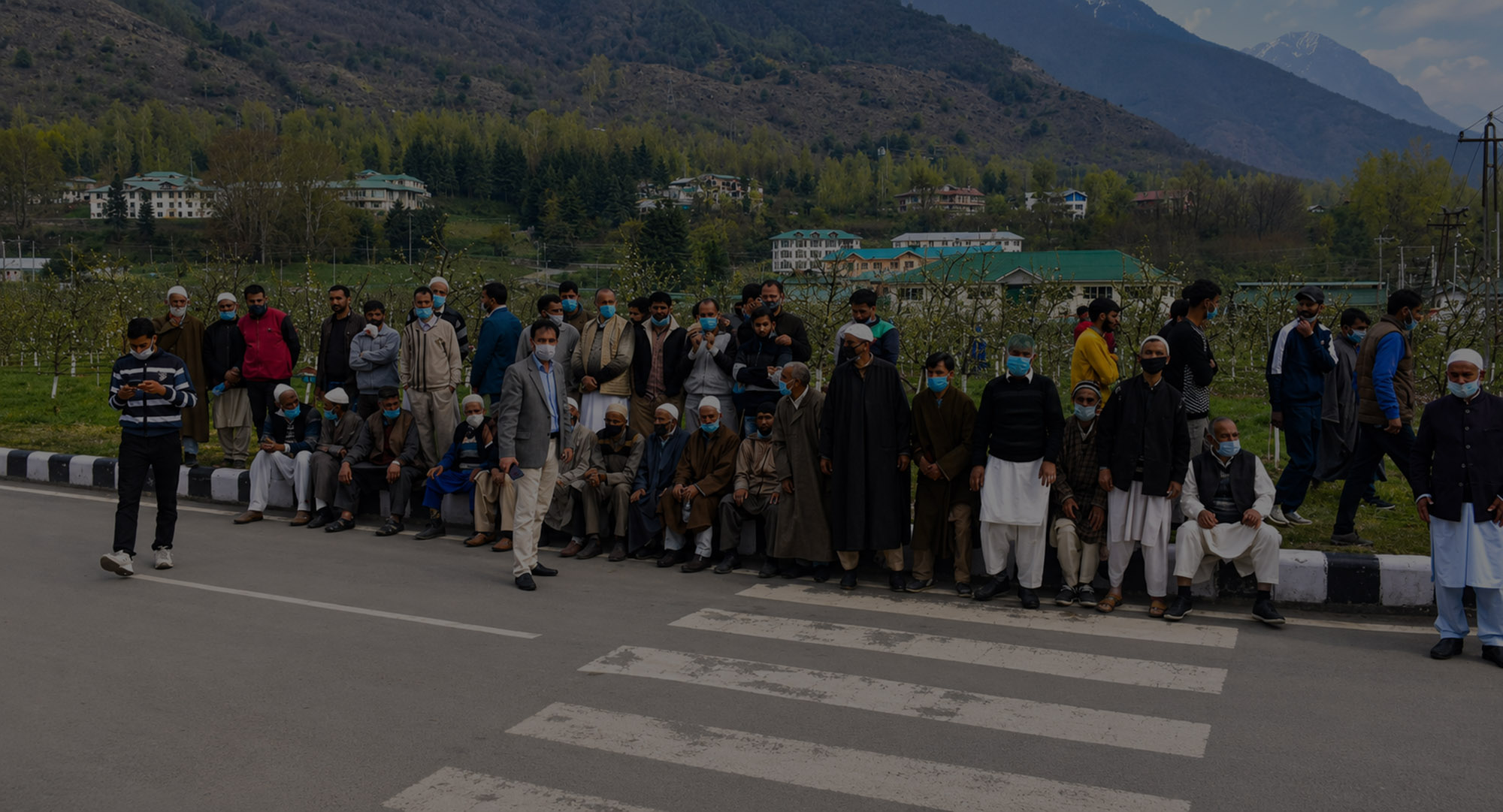
CNRI believes that the contribution of the NGO sector should be accorded the same level of respect and recognition as that enjoyed by the Governmental Executive. While the Government, under the leadership of elected representatives and supported by an extensive administrative and bureaucratic framework, formulates and implements public policies, NGOs complement these efforts by working directly with communities, identifying grassroots challenges, and delivering innovative, people-centric solutions.

The strength of the NGO sector lies in its close engagement with society, its ability to respond quickly to emerging needs, and its commitment to public welfare.

0+
NGOs member
0+
State chapters
0+
Years of legacy
0+
District chapter

Message from the Desk of the Secretary General

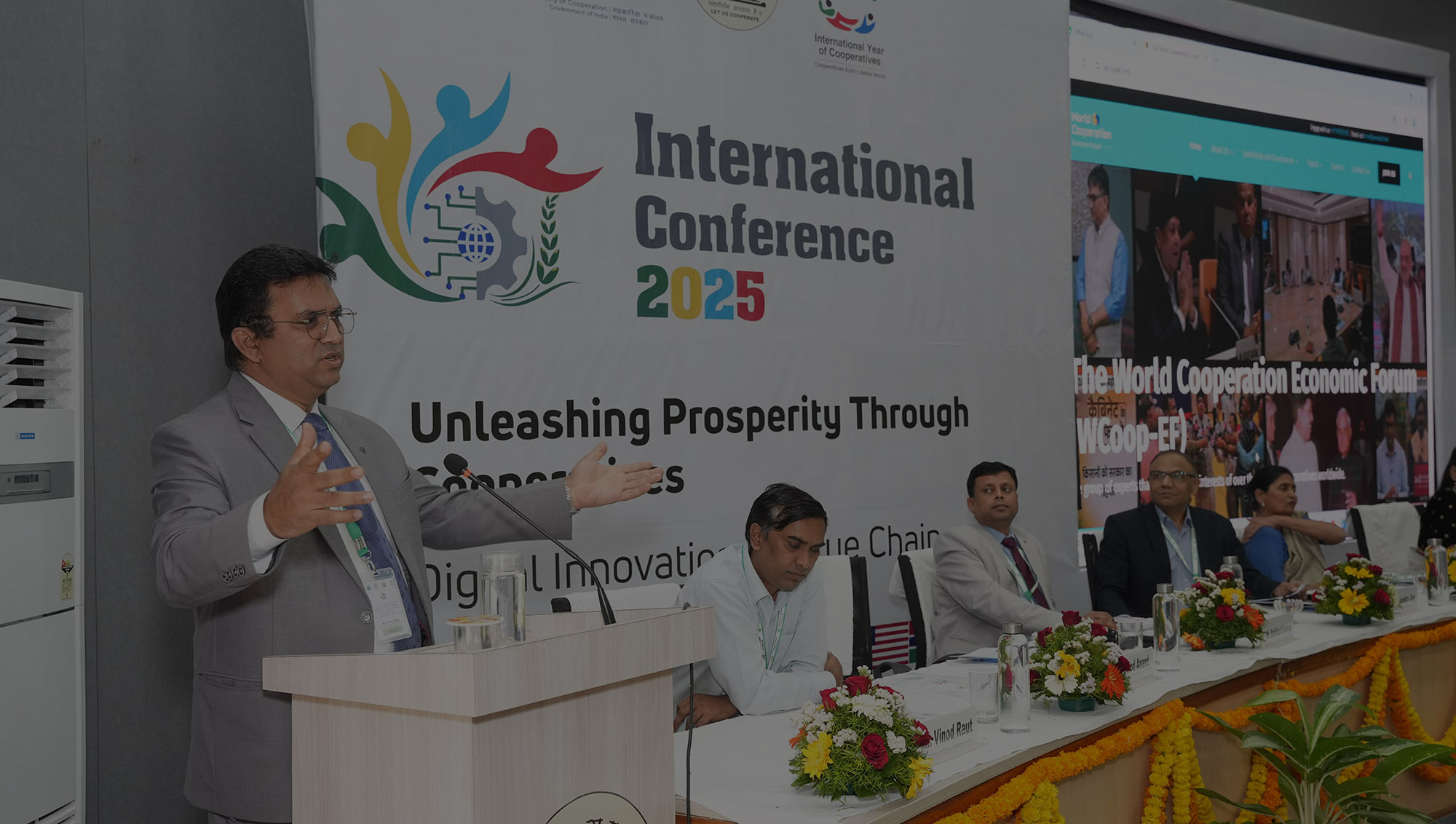
Binod Anand
Secretary General Confederation of NGOs of Rural India (CNRI)

A silent battle for India’s future is already underway. The new frontier of power is no longer defined only by territory, armies, or markets; it is increasingly shaped by Artificial Intelligence, data networks, digital platforms, and algorithmic control that can influence behaviour, economies, and societies without a single shot being fired. When the Confederation of NGOs of Rural India (CNRI) was founded, our frontline was the farmer’s field, the village road, the mandi, the cooperative, and the panchayat — the everyday institutions where the dignity and livelihood of rural Bharat are secured through agriculture, rural credit, financial inclusion, and community empowerment.
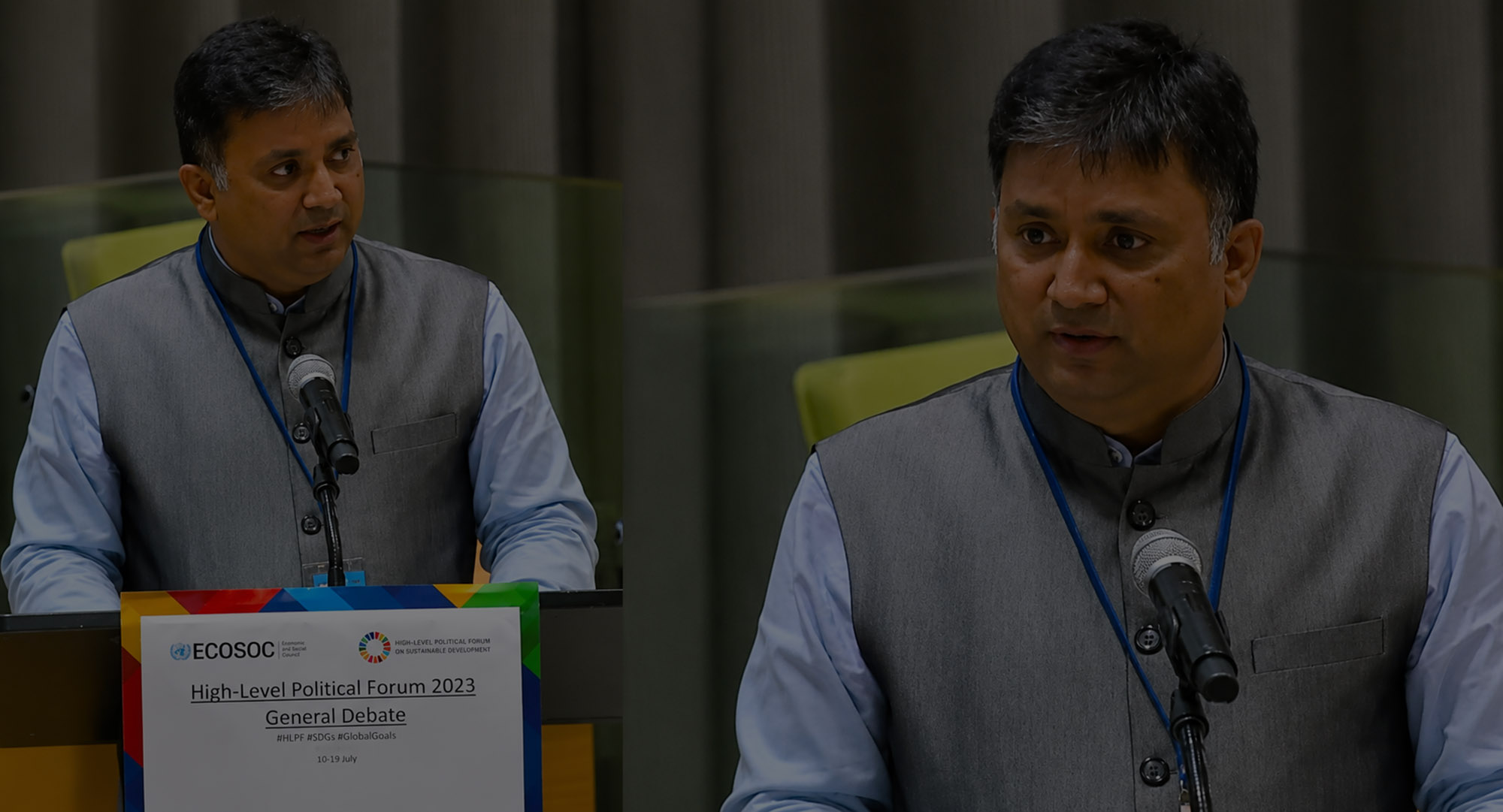
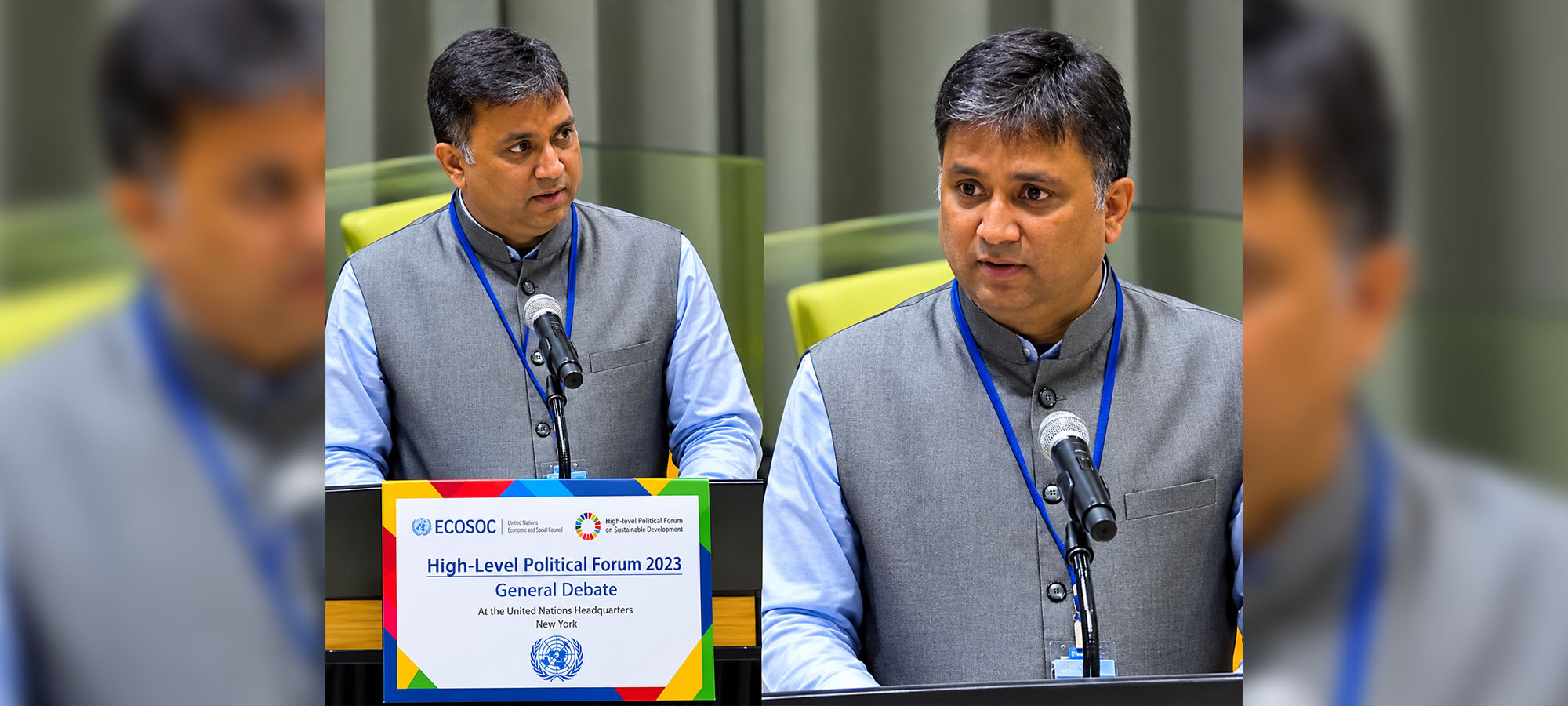
[Special Consultative Status with the United Nations Economic and Social Council (ECOSOC) since 2022]

Our Work

CNRI Impact Areas — Where We Create Change

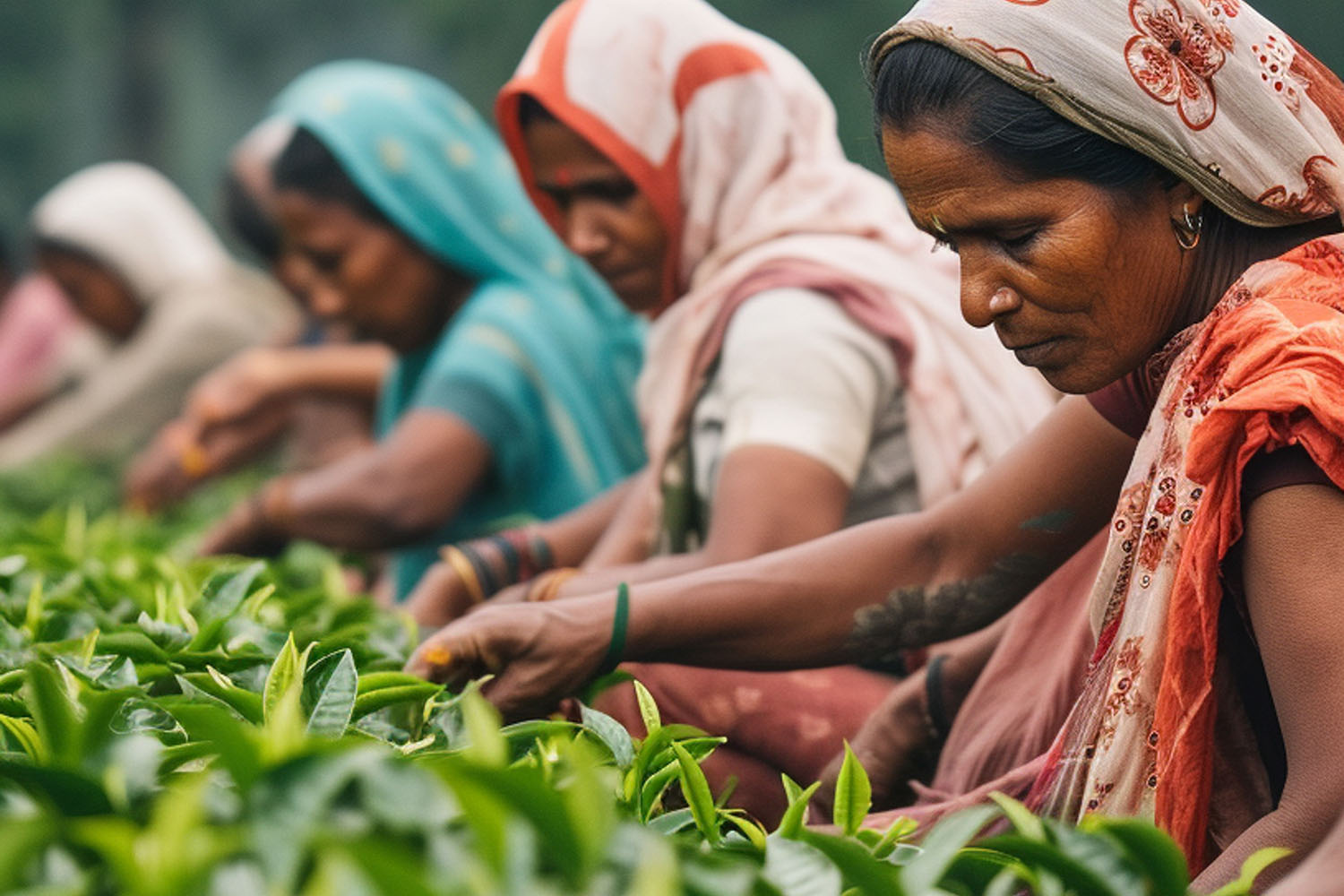
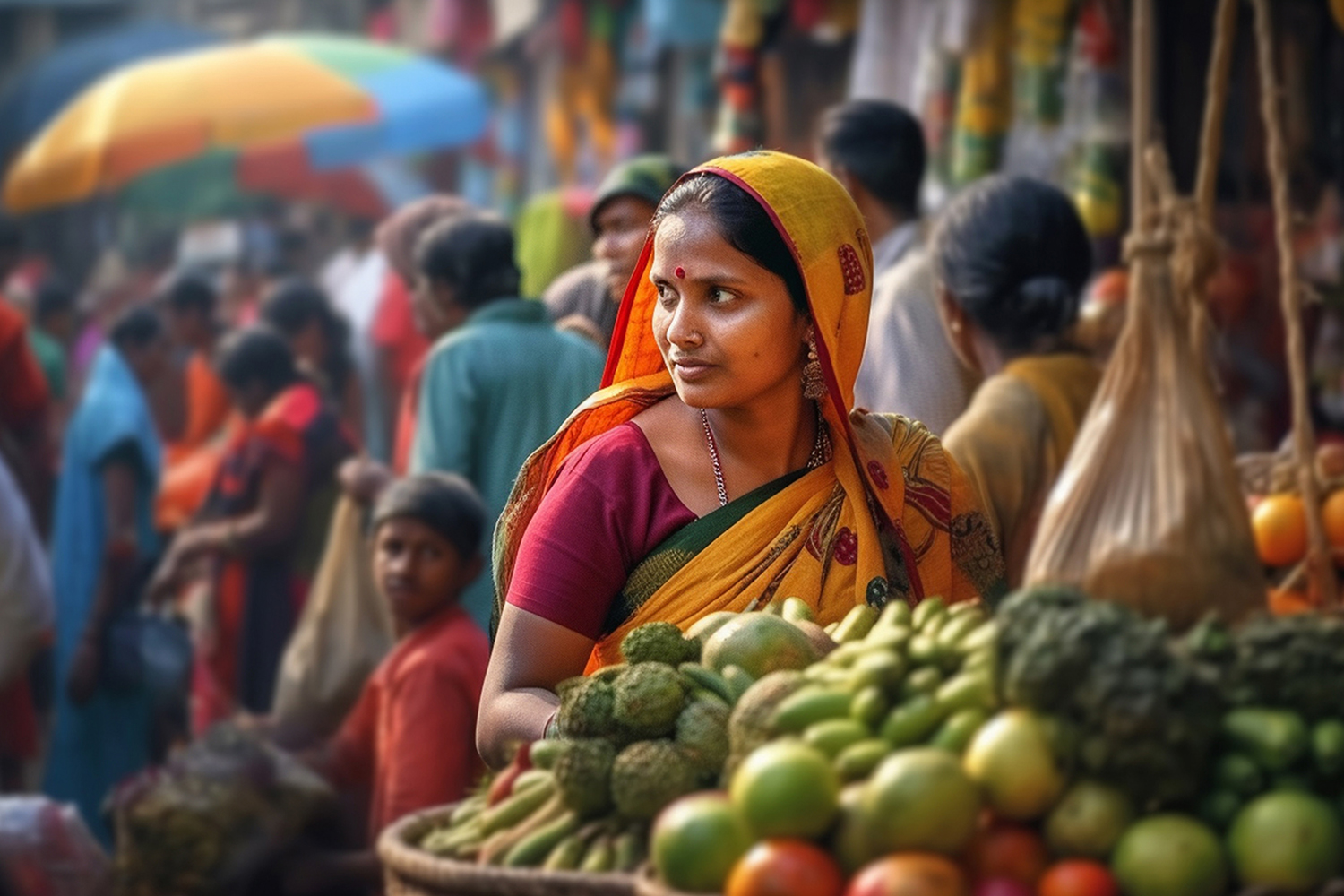
CNRI’s work spans the full spectrum of rural transformation — from agriculture and livelihoods to gender equity, climate resilience and the digital economy. Across every area, our approach is the same: farmer- and community-centric, evidence-based and built on partnership between civil society, government, academia and industry.
Our Twelve Focus Areas

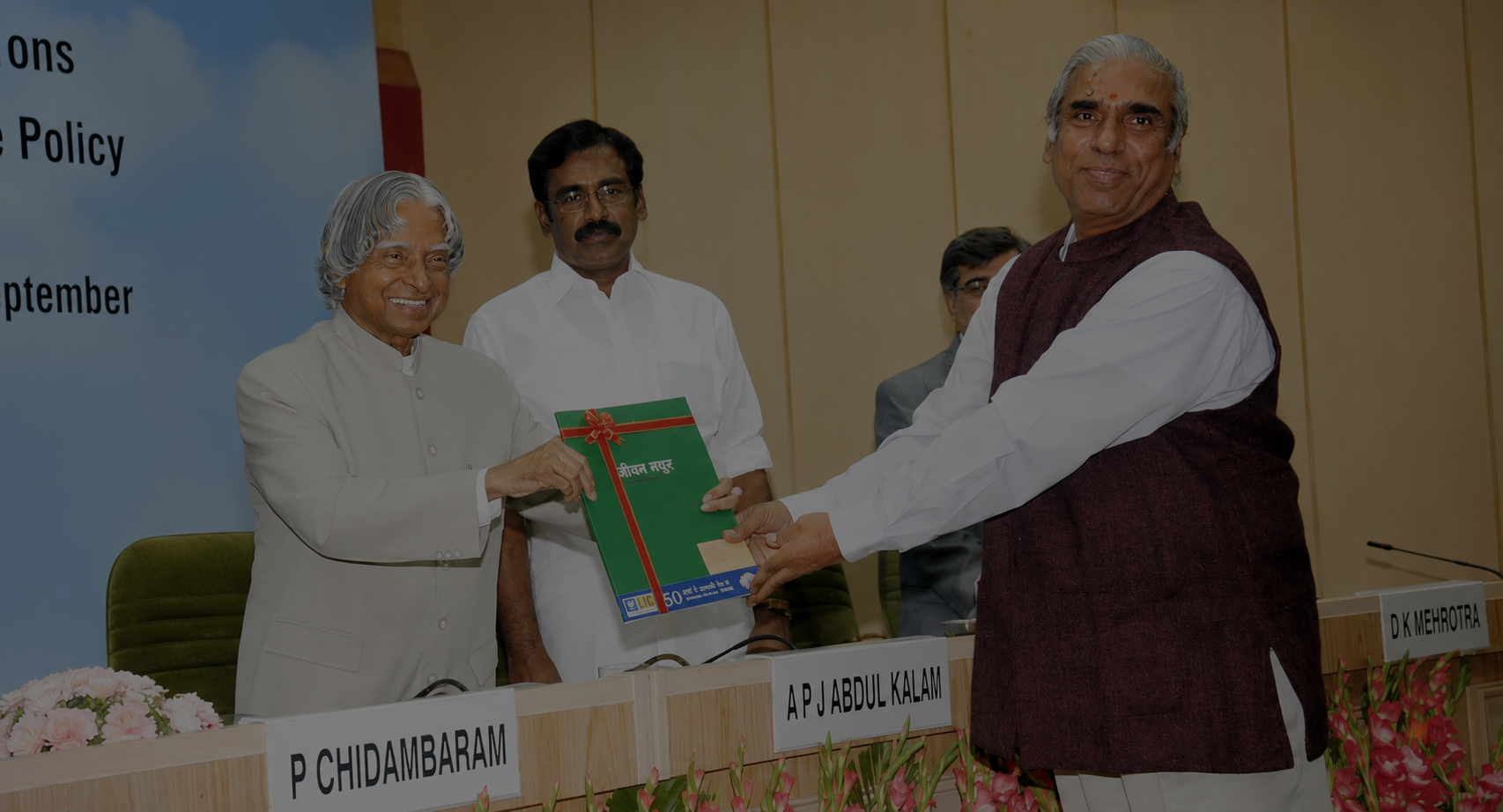
2006 – Financial Inclusion through LIC Micro Insurance

CNRI worked to extend micro-insurance to underserved rural households, bringing life cover and financial security within reach of the poorest families. In 2006, CNRI advanced rural financial inclusion through LIC micro-insurance, bringing affordable life cover and security to India’s underserved households.

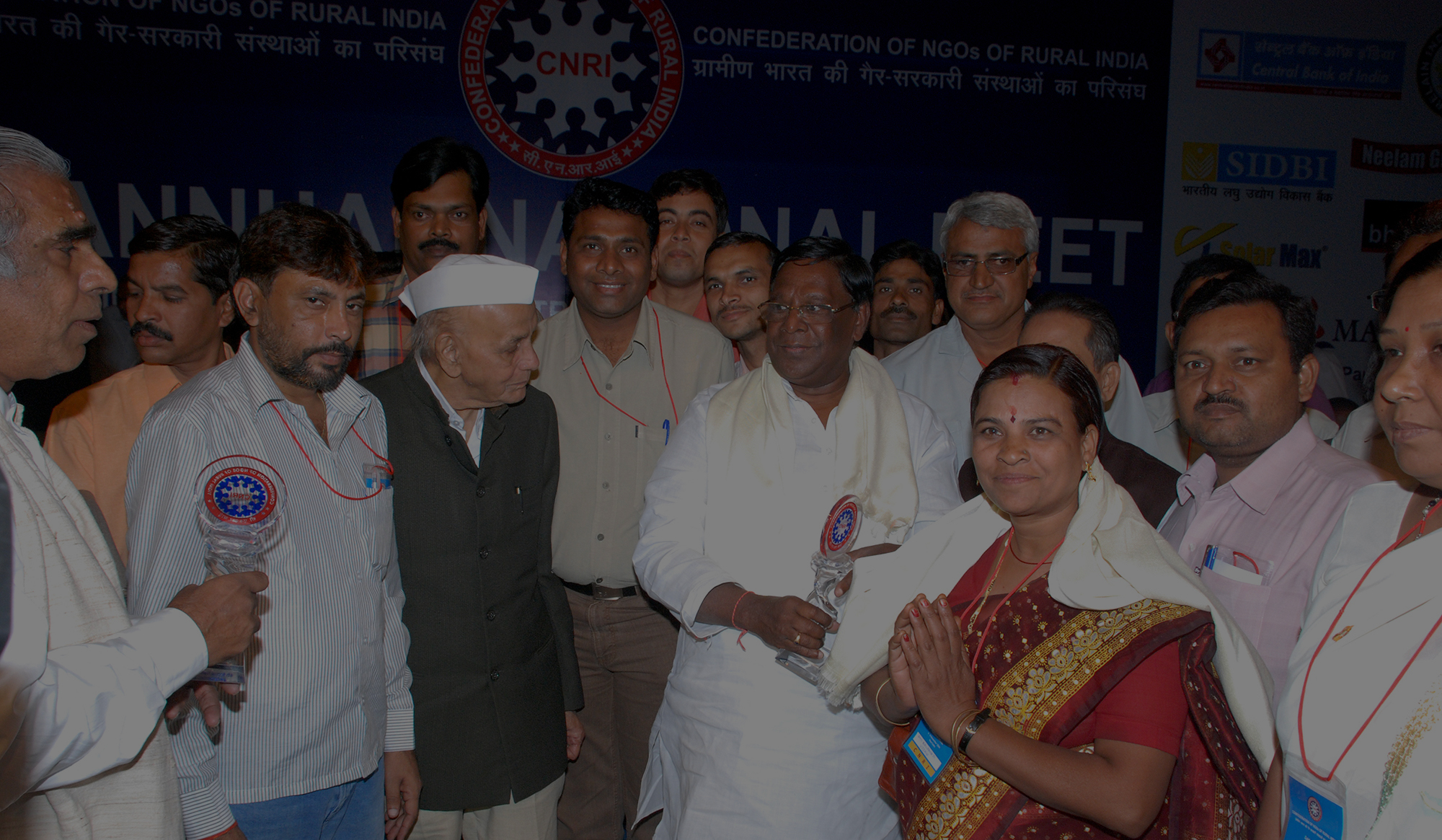
2007 – Bharat Vikas Yatra — Taking Development to the Grassroots

A nationwide outreach campaign carried development awareness into India’s villages, connecting communities directly with schemes, rights and public services. CNRI’s 2007 Bharat Vikas Yatra took development to the grassroots, linking villages across India with government schemes, entitlements and civic awareness.

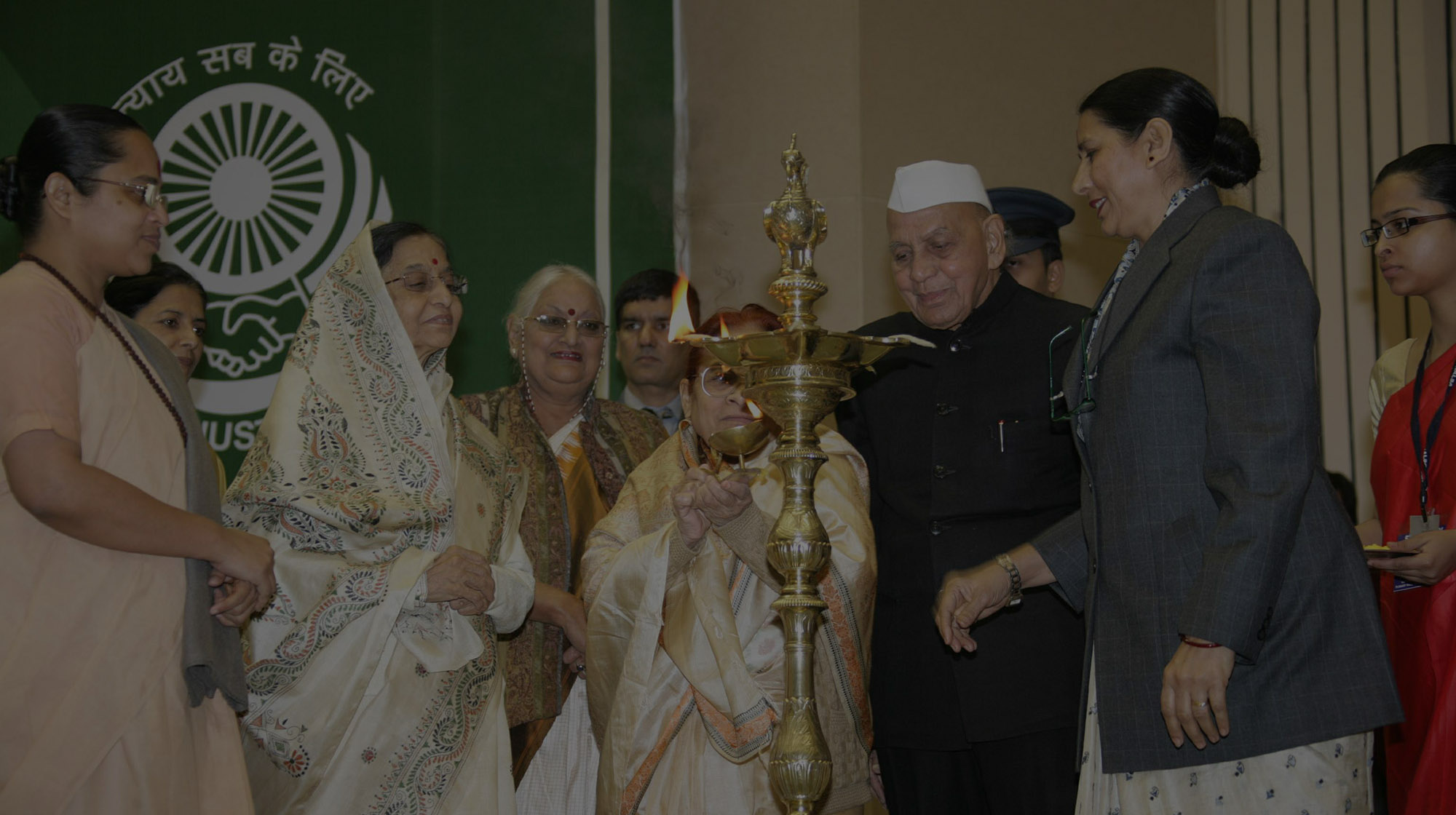
2005 – Establishing India’s Apex Platform for Civil Society

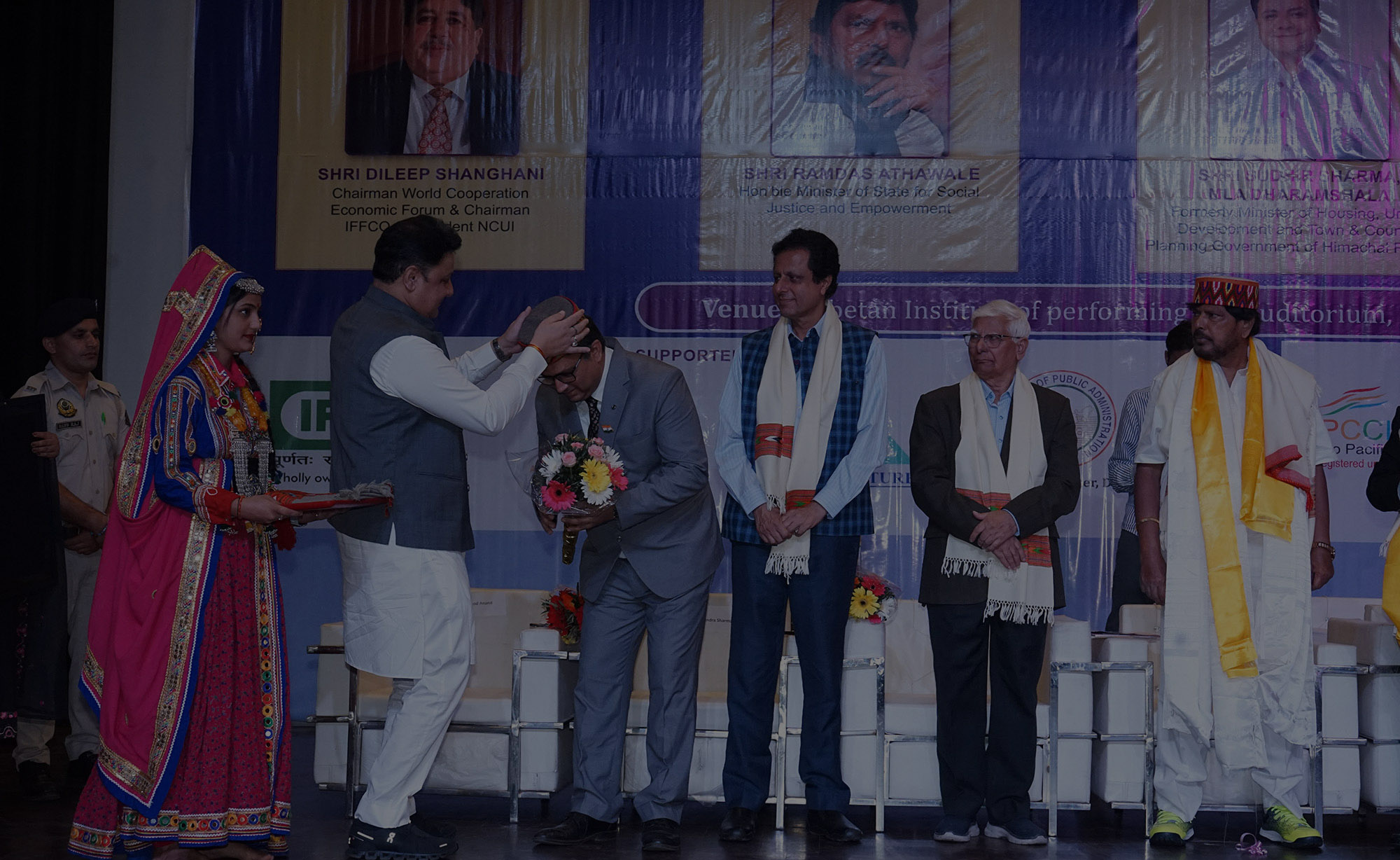
CNRI was founded to unite India’s fragmented voluntary sector under one representative national body, giving rural NGOs a common voice in policymaking and grassroots development. CNRI’s 2005 founding created India’s apex civil society platform, uniting rural NGOs under one national voice to shape grassroots development and policy. read more

Agriculture & Food Systems

Farmer-centric value chains, climate-smart farming, food and nutrition security, agri-entrepreneurship and market linkages.

Rural Development & Governance

Participatory, decentralised development through Panchayati Raj Institutions and community-based organisations.

Livelihoods & Entrepreneurship

Rural enterprises, FPOs, SHGs, MSMEs and inclusive economic models.

Women & Gender Equity

Women’s leadership, financial inclusion, entrepreneurship and gender-sensitive governance.

Youth Leadership

Volunteerism, civic participation, fellowships and social innovation.

Climate & Environment

Water conservation, watershed development, renewable energy and community climate adaptation.

Health & Nutrition

Preventive healthcare, maternal and child health, sanitation and nutrition security.

Education & Skills

Digital and financial literacy, vocational training and institutional capacity building.

Cooperatives & Social Economy

Member-owned institutions, governance reform and the Cooperative Economic Framework.

Digital Inclusion

Digital literacy, cybersecurity awareness and technology-enabled public services.

Disaster Resilience

Community-based disaster risk reduction, preparedness and humanitarian response.

Sustainable Development Goals

Localising the UN SDGs through grassroots action and multi-stakeholder partnerships.

Policy & Research

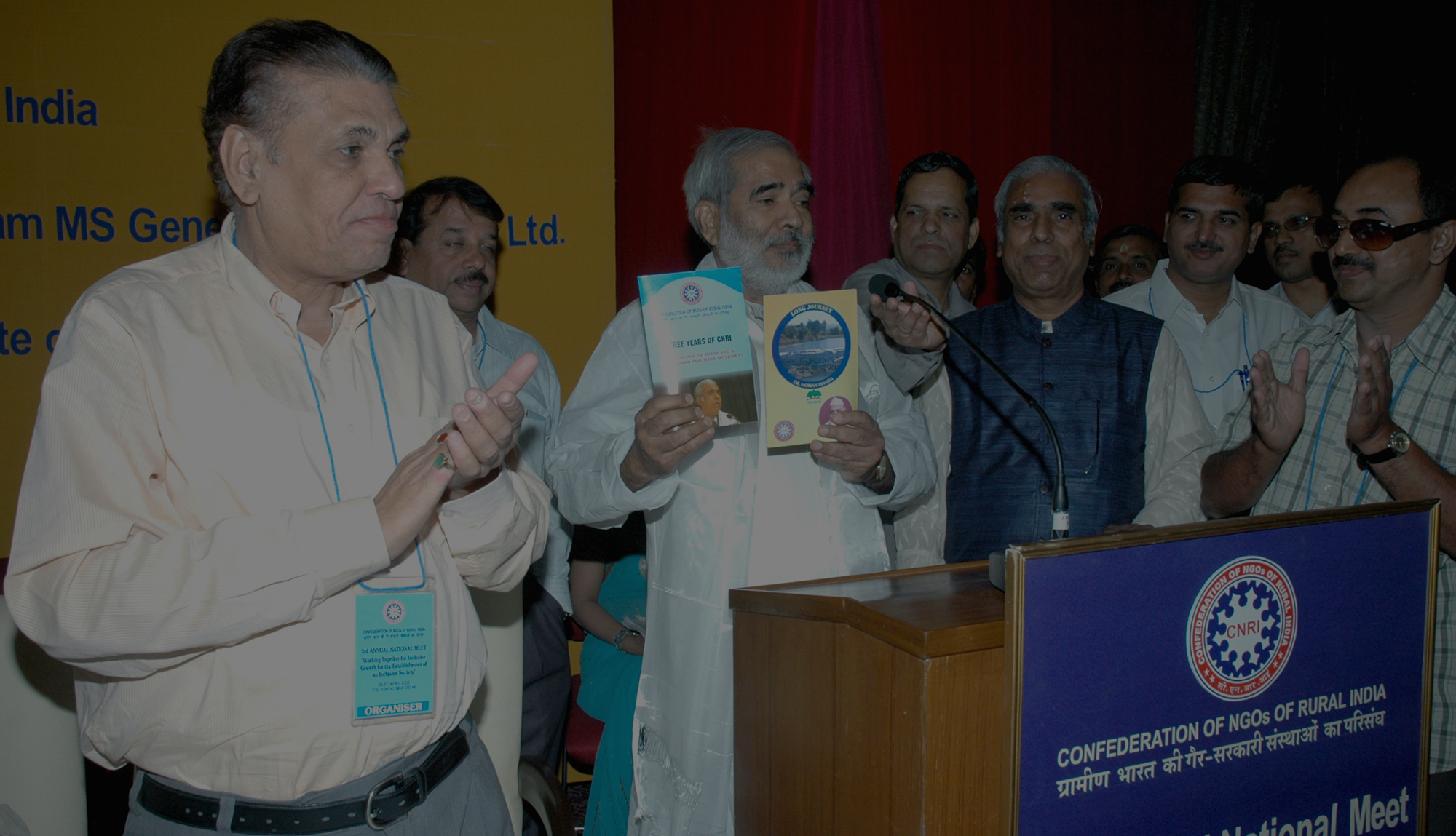
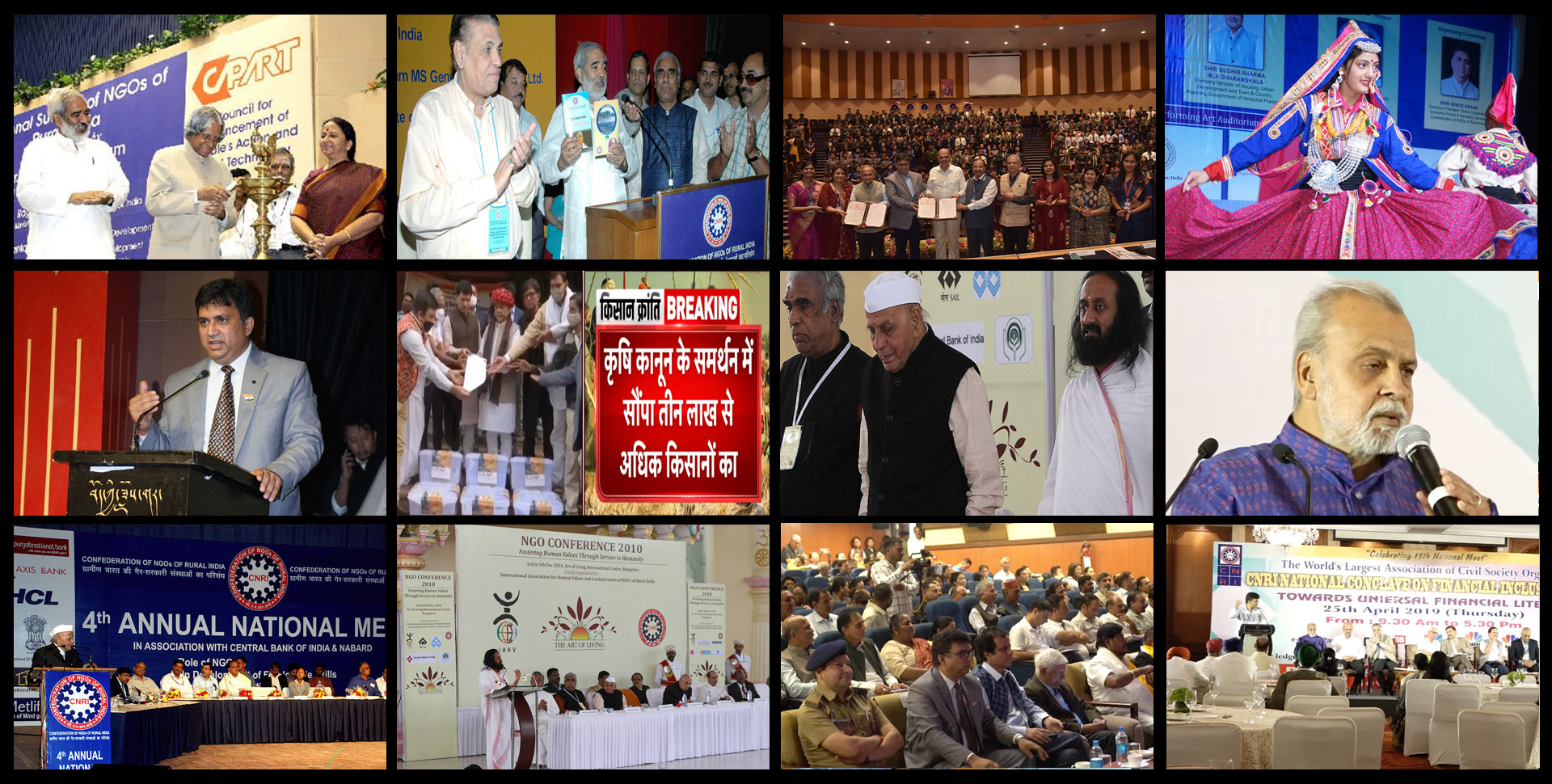
Confederation of NGOs of Rural India or CNRI, as it is called, is the largest platform of NGOs in the country to enable them to articulate their aspirations or voice their views and suggestions for the progress and welfare of rural India. Over these years CNRI through its mouth piece, Voice of Rural India, has taken up many issues with the Government, the most important once being agriculture loan burden of the farmers, FDI in retail, non-dilution of Agriculture and Rural Livelihood in the WTO negotiations, opposition to the parochial tendencies of one of the leading political parties of Maharashtra, immediate visit to Nandigram (West Bengal) where atrocities had taken place including death of people on the issue pertaining to forcible land acquisition farmers to promote foreign investment zones and revamping of NREGS to provide for employment as well as long-lasting productive assets and so many more other issues.

Public Policy

For more than two decades, CNRI has strengthened India’s public policy ecosystem by connecting grassroots realities with national decision-making. As India’s apex confederation of rural voluntary organisations .

Public Policy

For more than two decades, CNRI has strengthened India’s public policy ecosystem by connecting grassroots realities with national decision-making. As India’s apex confederation of rural voluntary organisations .

Government Engagement

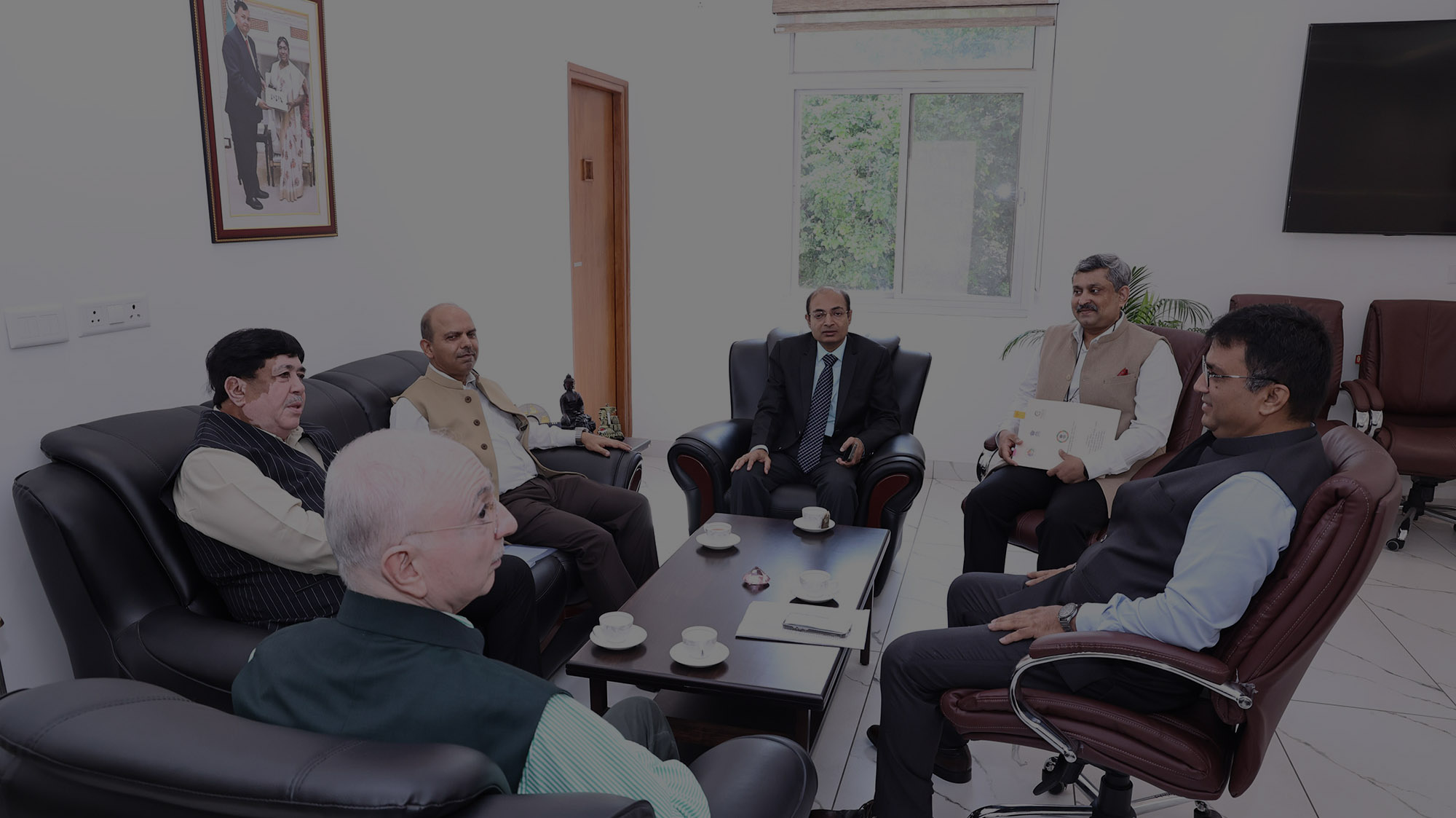
CNRI believes sustainable development is achieved through strong institutional partnerships built on trust, shared responsibility and collective action. For over two decades, CNRI has worked alongside government

Government Engagement

CNRI believes sustainable development is achieved through strong institutional partnerships built on trust, shared responsibility and collective action. For over two decades, CNRI has worked alongside government

Parliamentary & Legislative Inputs

Since 2005, CNRI has contributed to India’s parliamentary and legislative processes with independent, evidence-based inputs on rural development, cooperatives, financial inclusion, environment and governance.

Parliamentary & Legislative Inputs

Since 2005, CNRI has contributed to India’s parliamentary and legislative processes with independent, evidence-based inputs on rural development,cooperatives, financial inclusion, environment and governance.

Publications

Engagements across manufacturing and process industries addressing cost governance, supply chain complexity, compliance discipline, and reporting transparency.

Publications

CNRI is one of India’s leading civil society think tanks. Over two decades it has produced an extensive body of knowledge — position papers, white papers, policy briefs, discussion papers, consultation documents and framework studies

International Collaboration

CNRI believes the challenges and opportunities of rural development are increasingly global. Over two decades, it has steadily expanded its international engagement, enabling the voice of India’s rural civil society.

International Collaboration

CNRI believes the challenges and opportunities of rural development are increasingly global. Over two decades, it has steadily expanded its international engagement, enabling the voice of India’s rural civil society .

Leadership & Professional Team

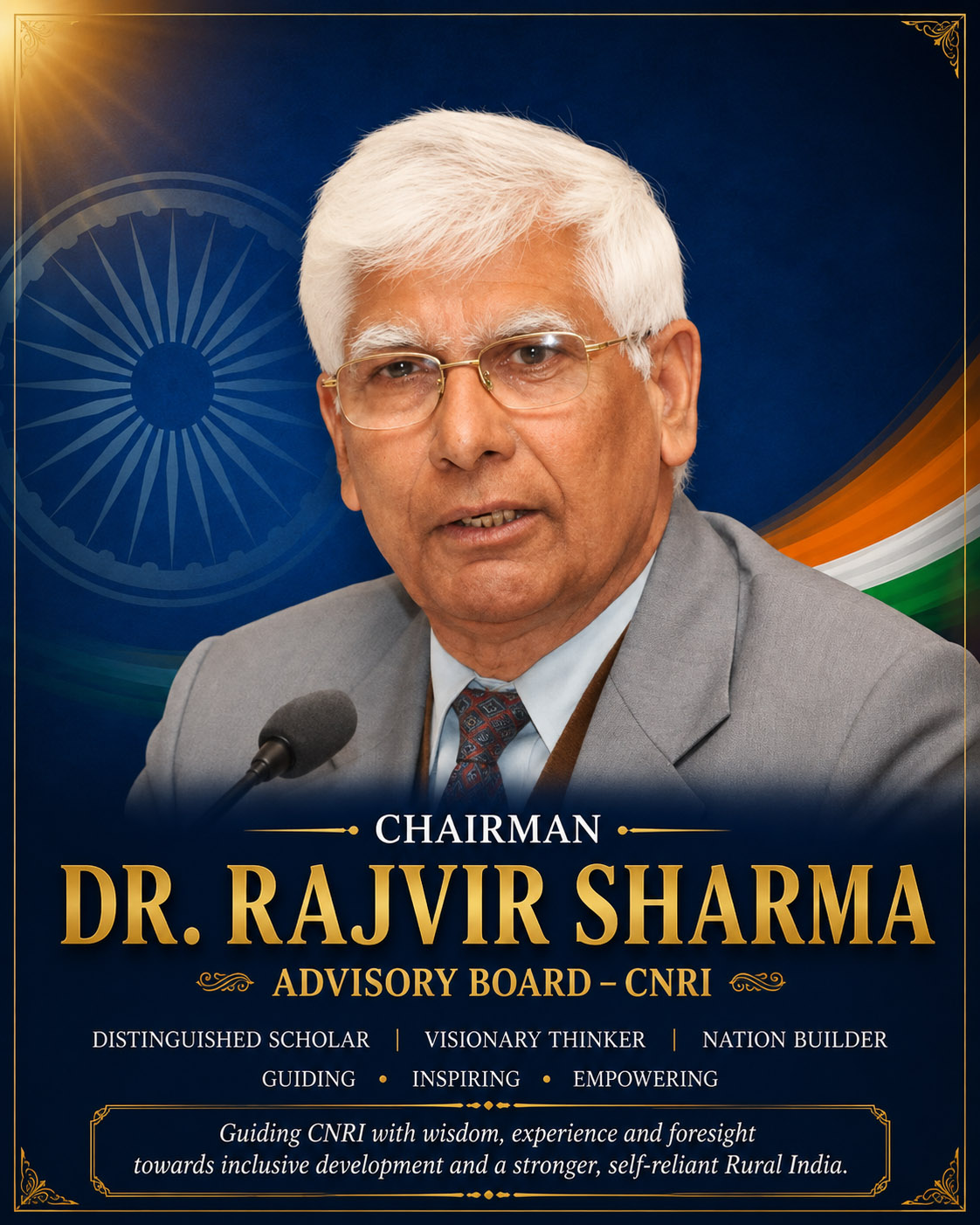
The strength of the Confederation of NGOs of Rural India (CNRI) lies in its visionary leadership and highly experienced professional team, dedicated to empowering civil society and driving sustainable rural development across India. Guided by a commitment to inclusive growth, transparency, and social justice, the leadership provides strategic direction while ensuring that the voices of grassroots organizations are represented at regional, national, and international platforms.
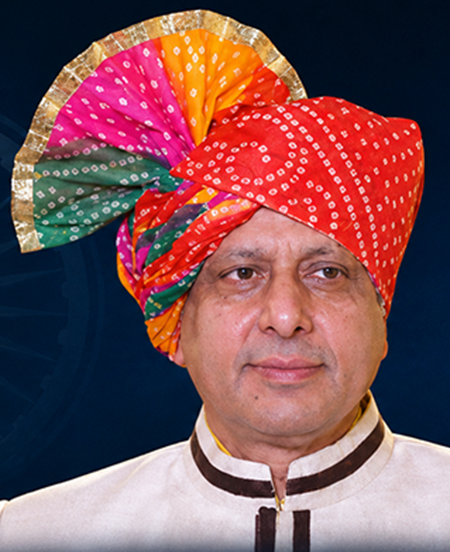

Shri Jitendra Sharma

Chairman

Shri Jitendra Sharma
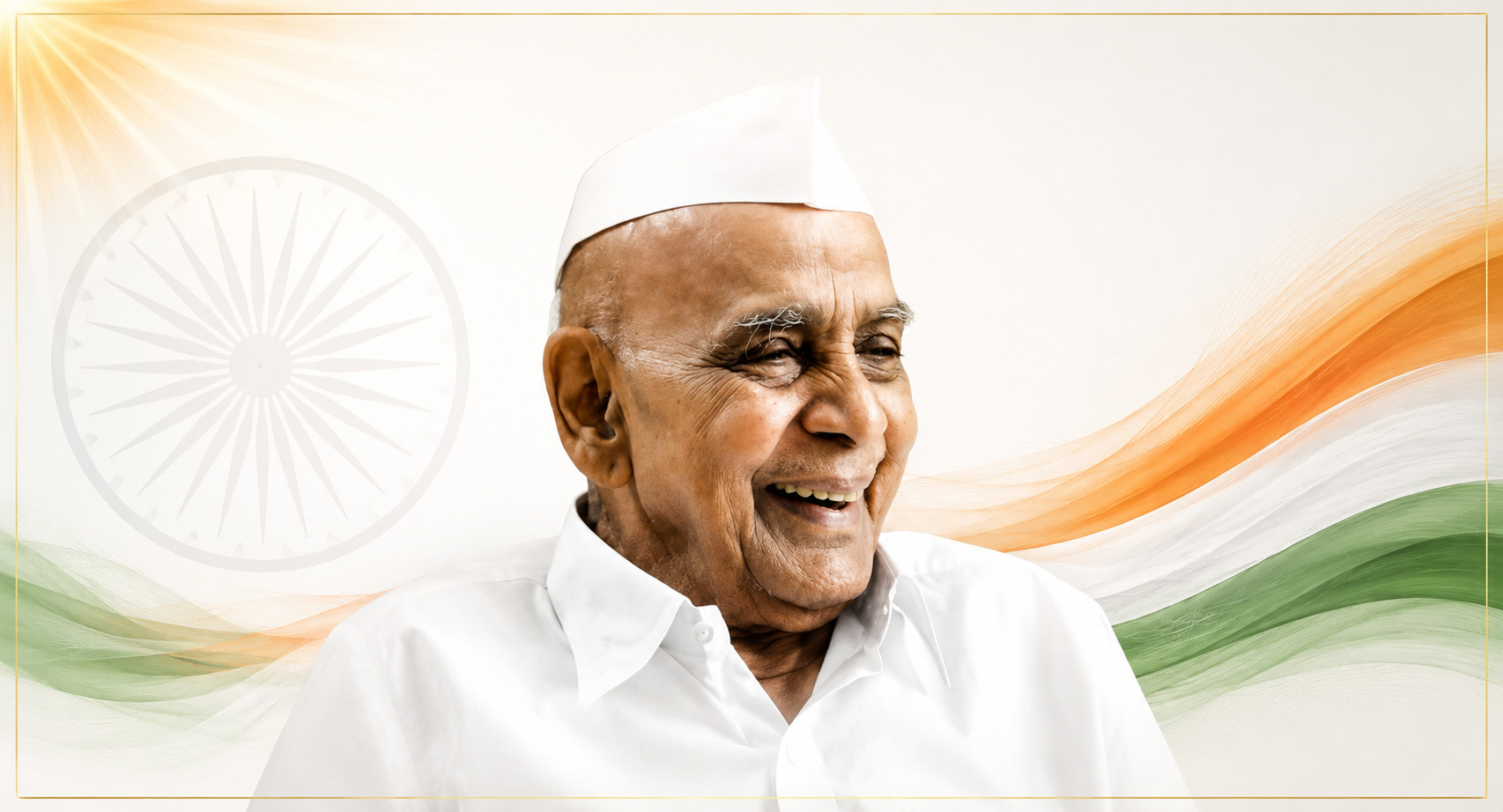
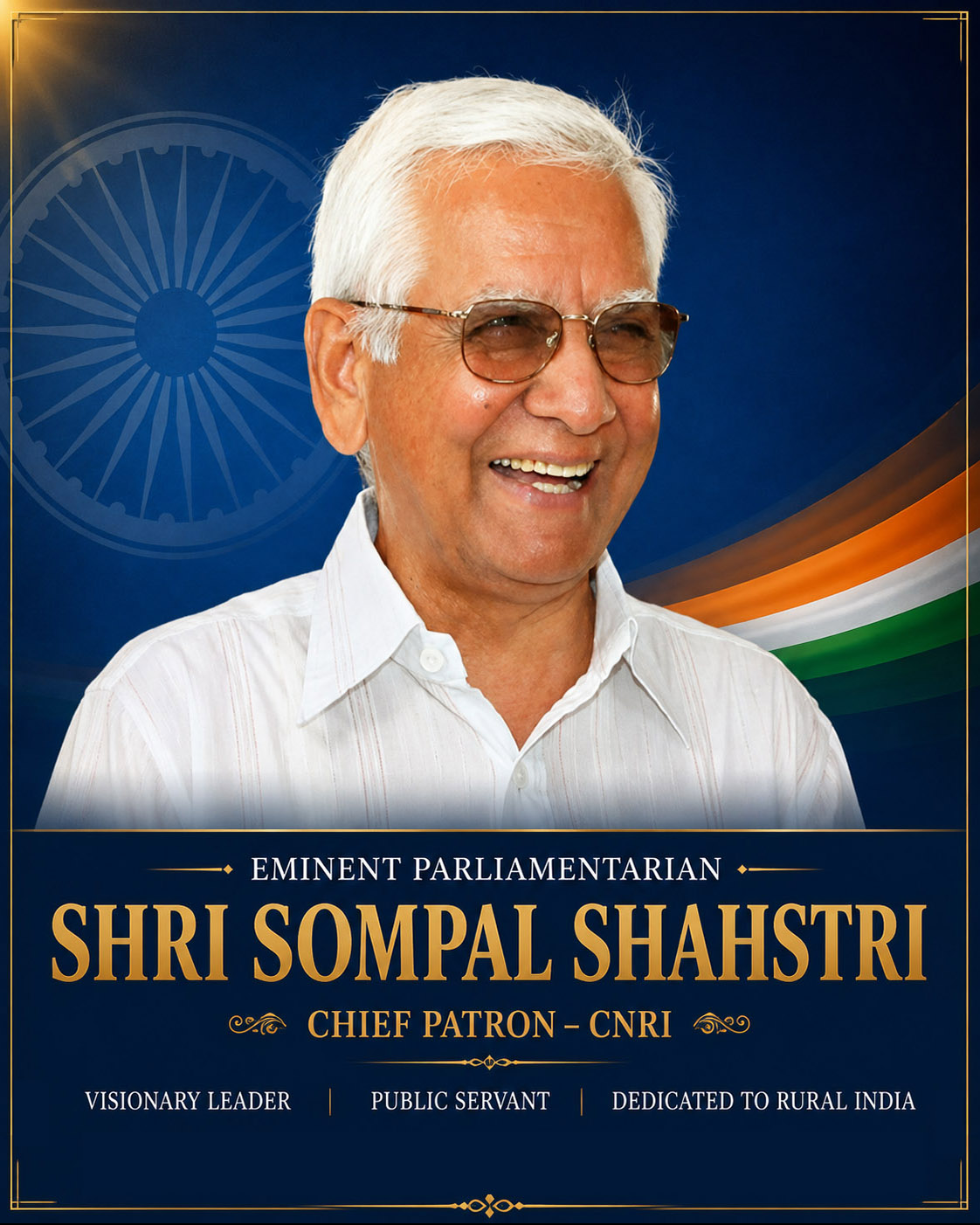
Shri Sompal Shastri

Chief Patron

Shri Sompal Shastri
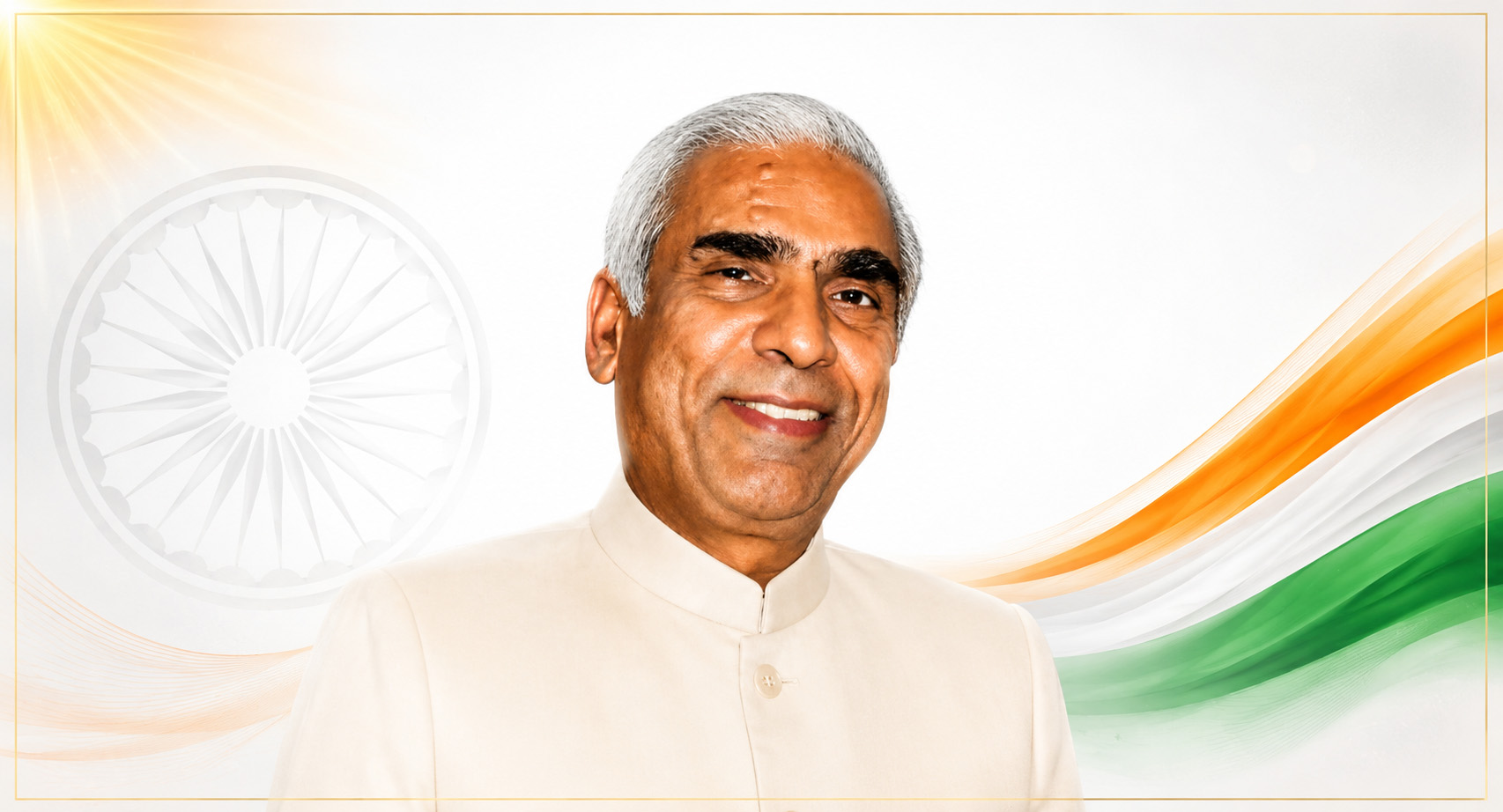
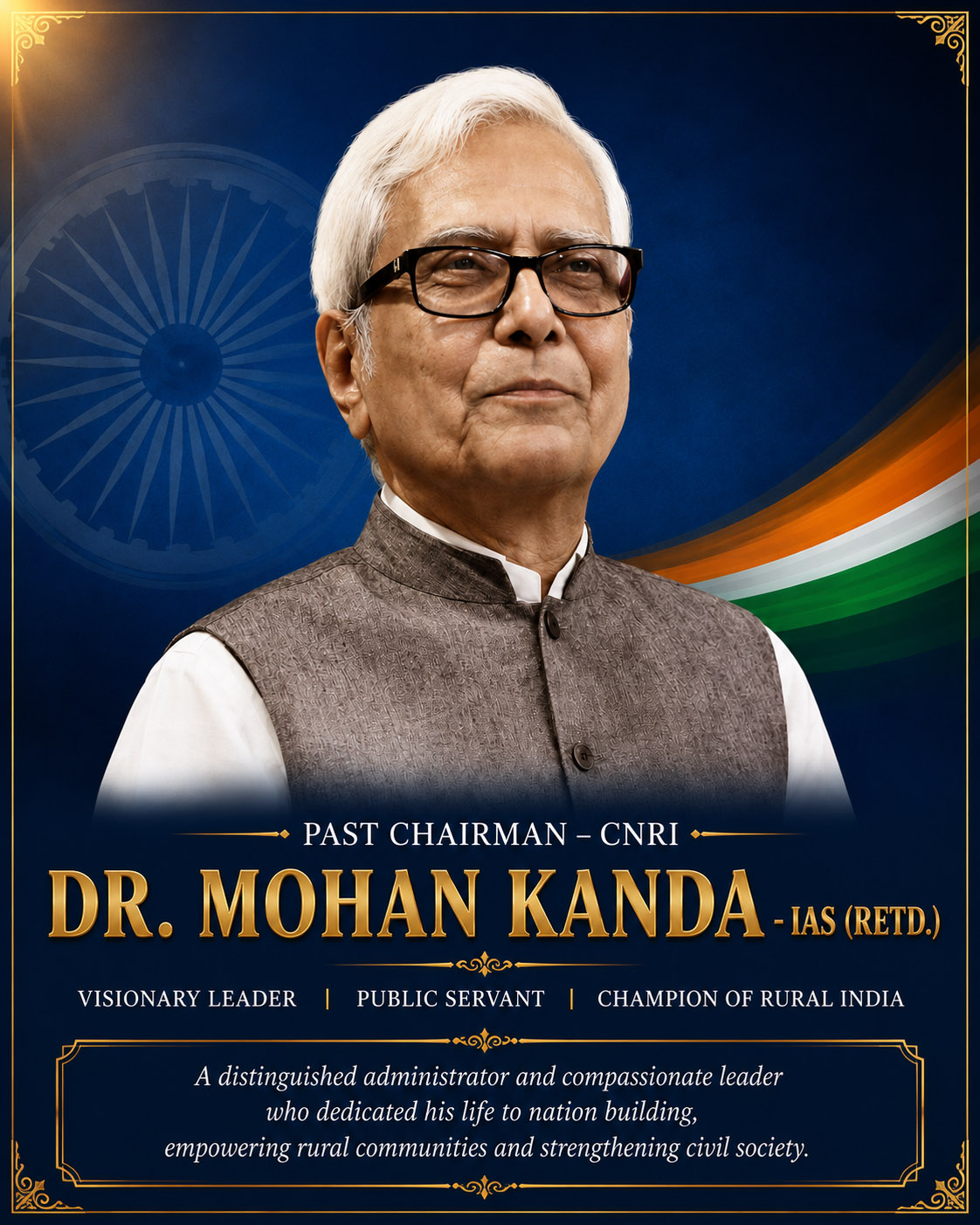
Dr. Mohan Kanda, IAS (Retd.)

3rd Chairman

Dr. Mohan Kanda, IAS (Retd.)
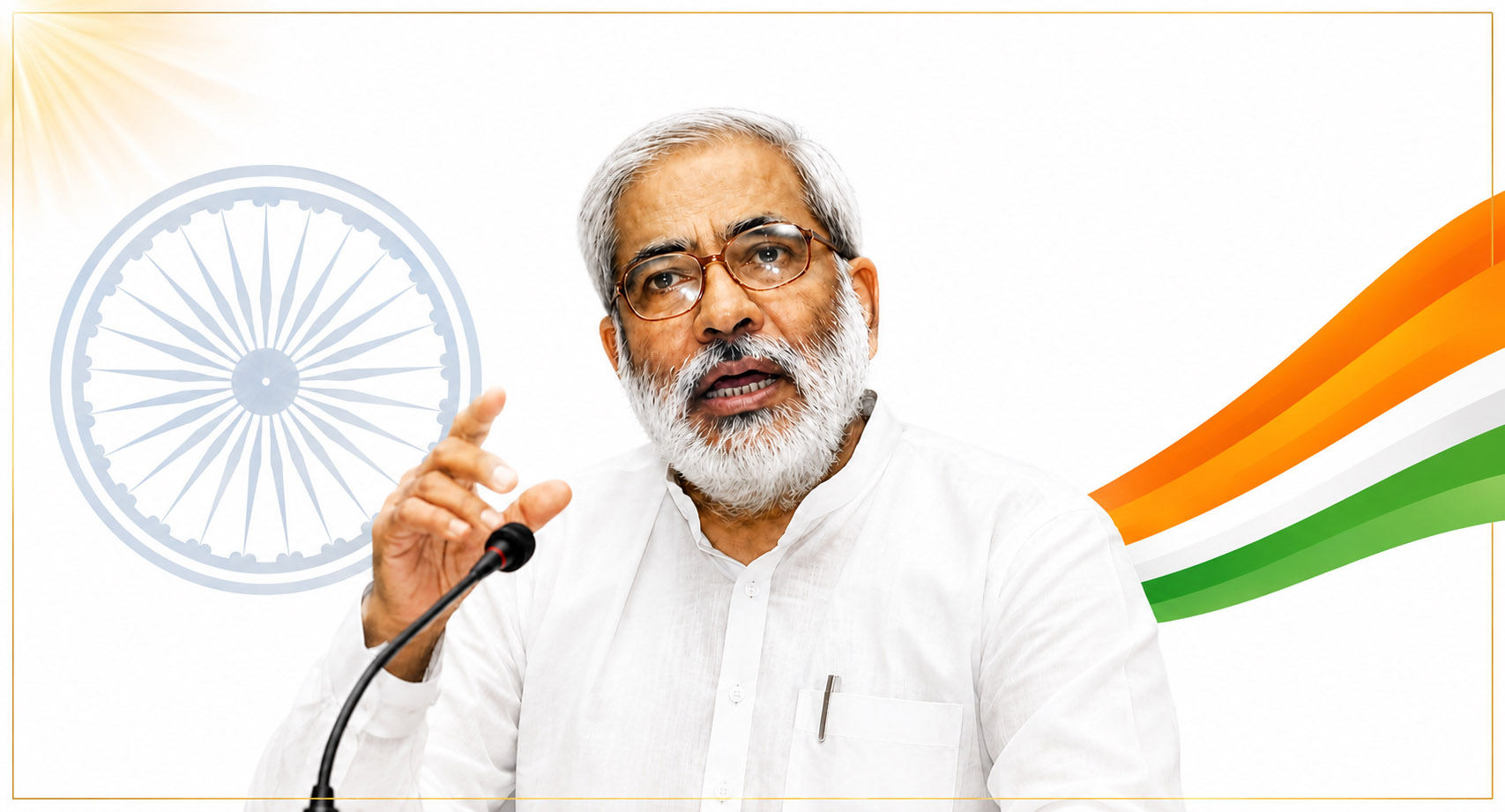
Shri Raghupati Singh

Founder Member & Executive Chairman

Shri Raghupati Singh
Dr. Vishwas Tripathi

Co-Chairman

Dr. Vishwas Tripathi
Ms. Shobha Yadav

Co-Chairman & State President

Ms. Shobha Yadav
Dr. Praveen Tripathi

Co-Chairman

Dr. Praveen Tripathi
Dr. Rajesh Mehta

Co-Chairman, Confederation of NGOs of Rural India (CNRI)

Dr. Rajesh Mehta
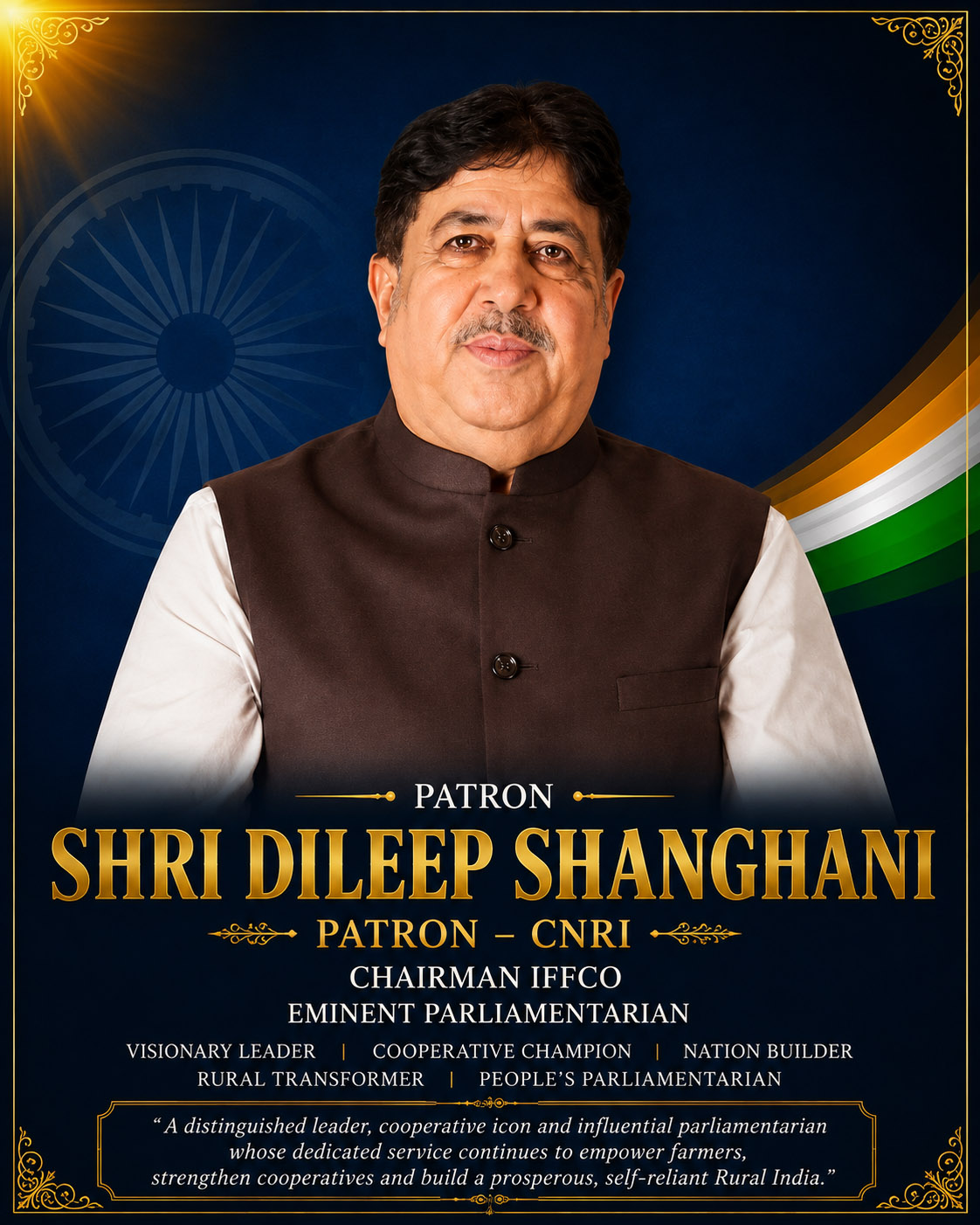
Shri Dileep Sanghani

Patron, Confederation of NGOs of Rural India (CNRI)

Shri Dileep Sanghani
Shri Srinibas Rath, IAS (Retd.)

Partner

Shri Srinibas Rath, IAS (Retd.)

Why Become a Member?

Because Together We Can Achieve More

When you become a member of CNRI, you become part of a national movement that believes in strong institutions, collaborative leadership and inclusive development.

Contact us to volunteer and become a part of our mission to create lasting positive change in communities across India.